The Handschu Settlement
Before 9/11, the NYPD and FBI had decades of experience violating civil rights in the name of security. Under COINTELPRO (Counter Intelligence Program), the FBI and local law enforcement surveilled, infiltrated, and disrupted organizations they deemed “subversive”—civil rights groups, anti-war protestors, Puerto Rican independence activists. The NYPD had its version: the Red Squad, tasked with sabotaging political activists from the inside.
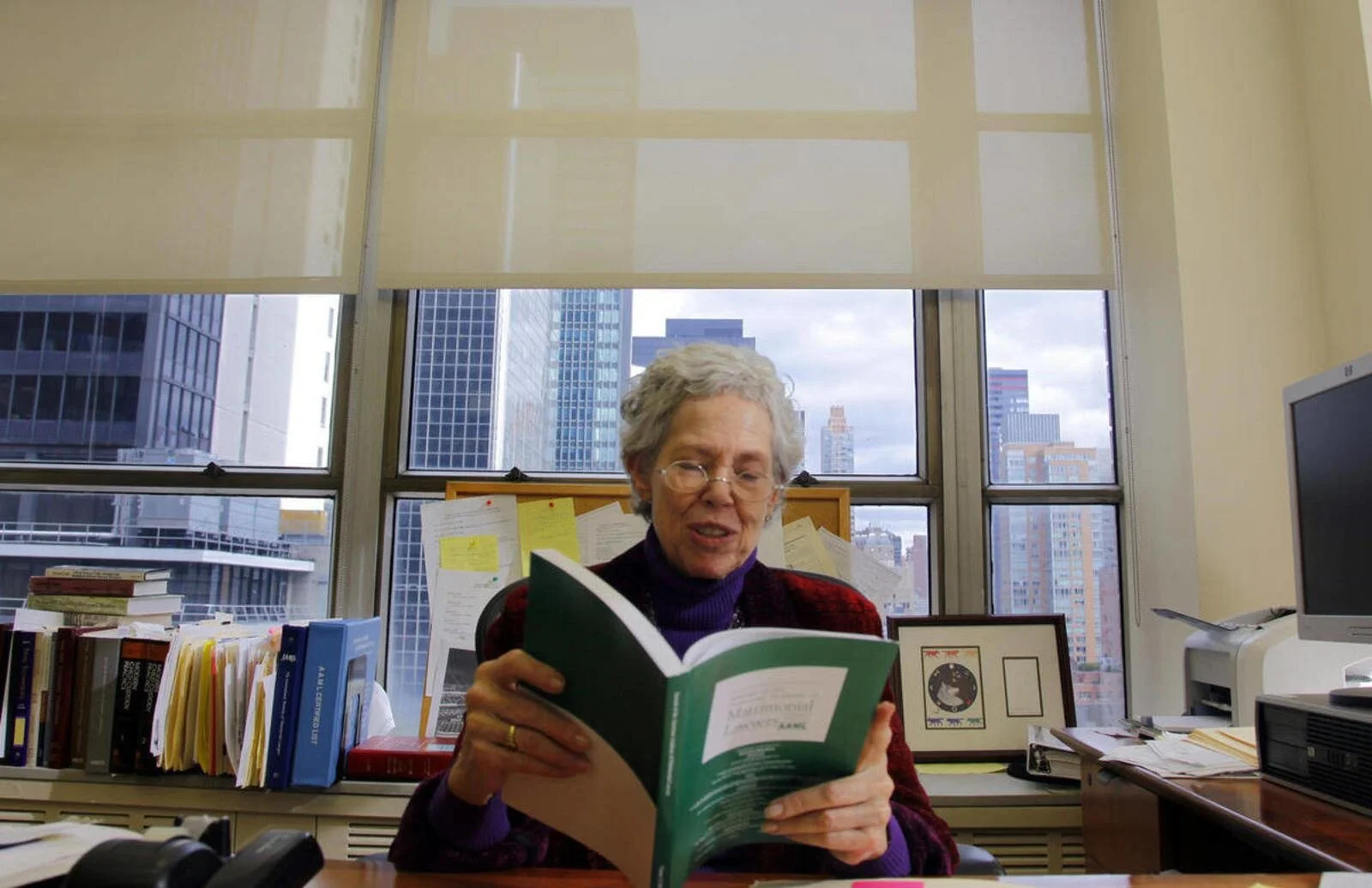
That legacy led to a class-action lawsuit filed by Barbara Handschu. As a result of her lawsuit, the following rules were put into place.
1. Investigations into political or religious groups needed to be linked to criminal activity
2. An internal body (or judge) had to approve surveillance plans if political activity was involved
3. Restrictions on undercover officers and informants usage.
4. Information collected on political activity without criminal findings had to be minimized or purged.
After 9-11, David Cohen was appointed the Deputy Commissioner of Intelligence for the NYPD and reported directly then mayor Raymond Kelly, He brought the tools of foreign espionage home and lobbied to loosen the rules that Barbara Handschu and her team fought so hard for. In the name of safety, Judge Charles Haight loosened the restrictions, which allowed the NYPD to conduct preliminary inquiries without criminal predicates. With this new mandate, they sprawled across New York and into New Jersey, into the very suburbs and communities that I had made home.
I think most people gloss over the fact that someone who used to be in the charge of the CIA was now in charge of a domestic police institution. It is not unreasonable to then assume that the same tactics that were used against government overseas were now being used against local institutions and leaders. It is also likely where the NYPD got the idea to use a “we can neither confirm nor deny” type response to my freedom of information requests.